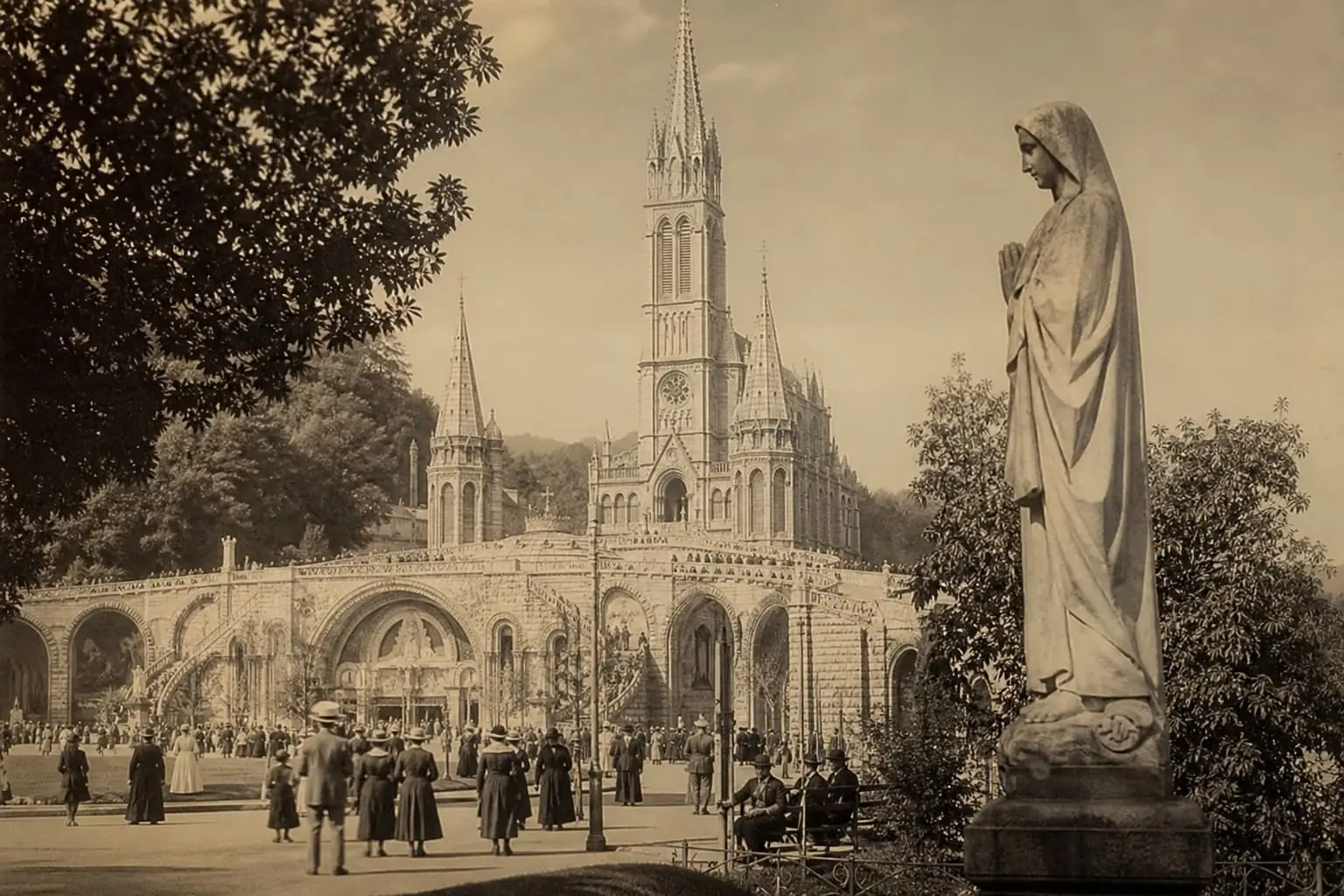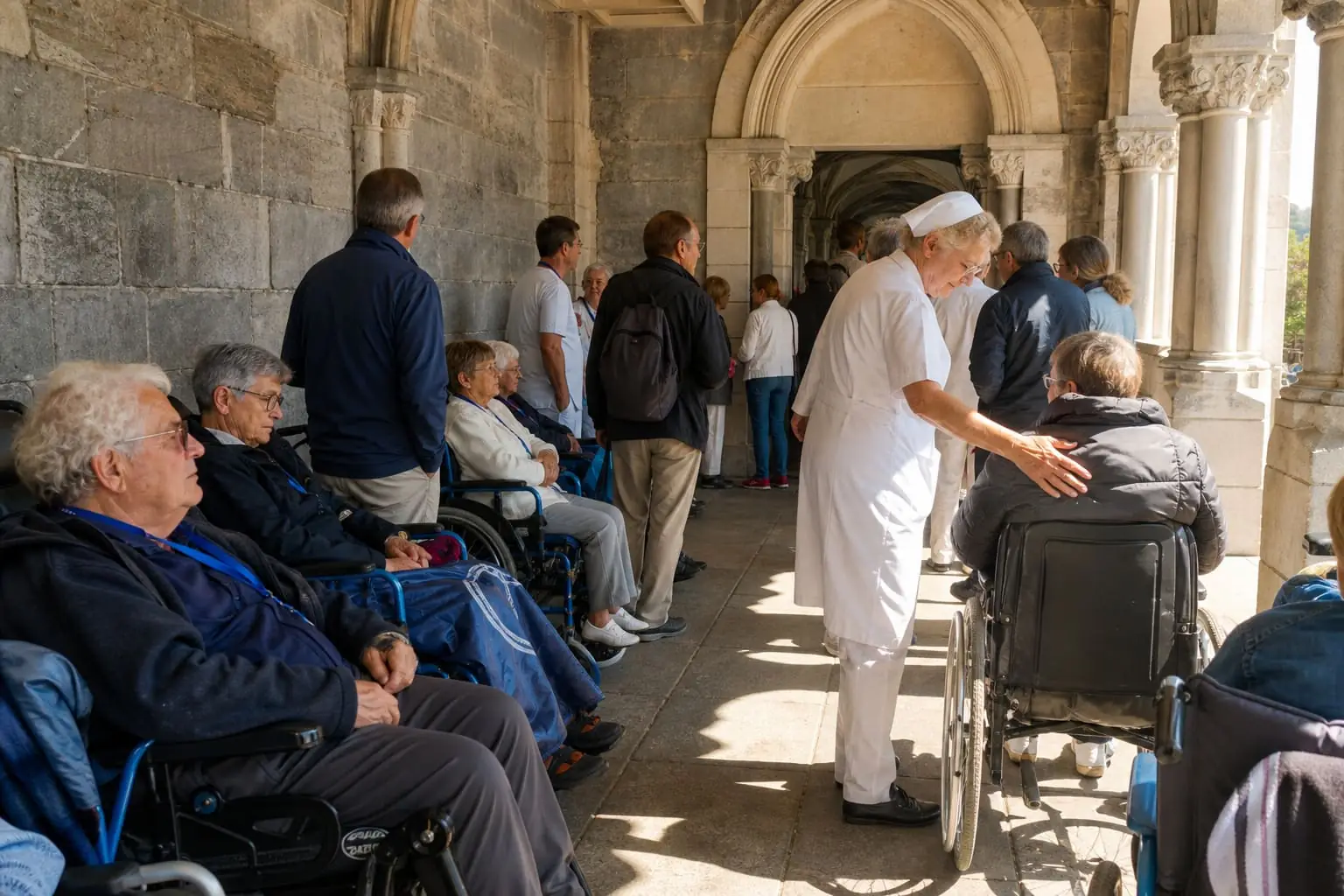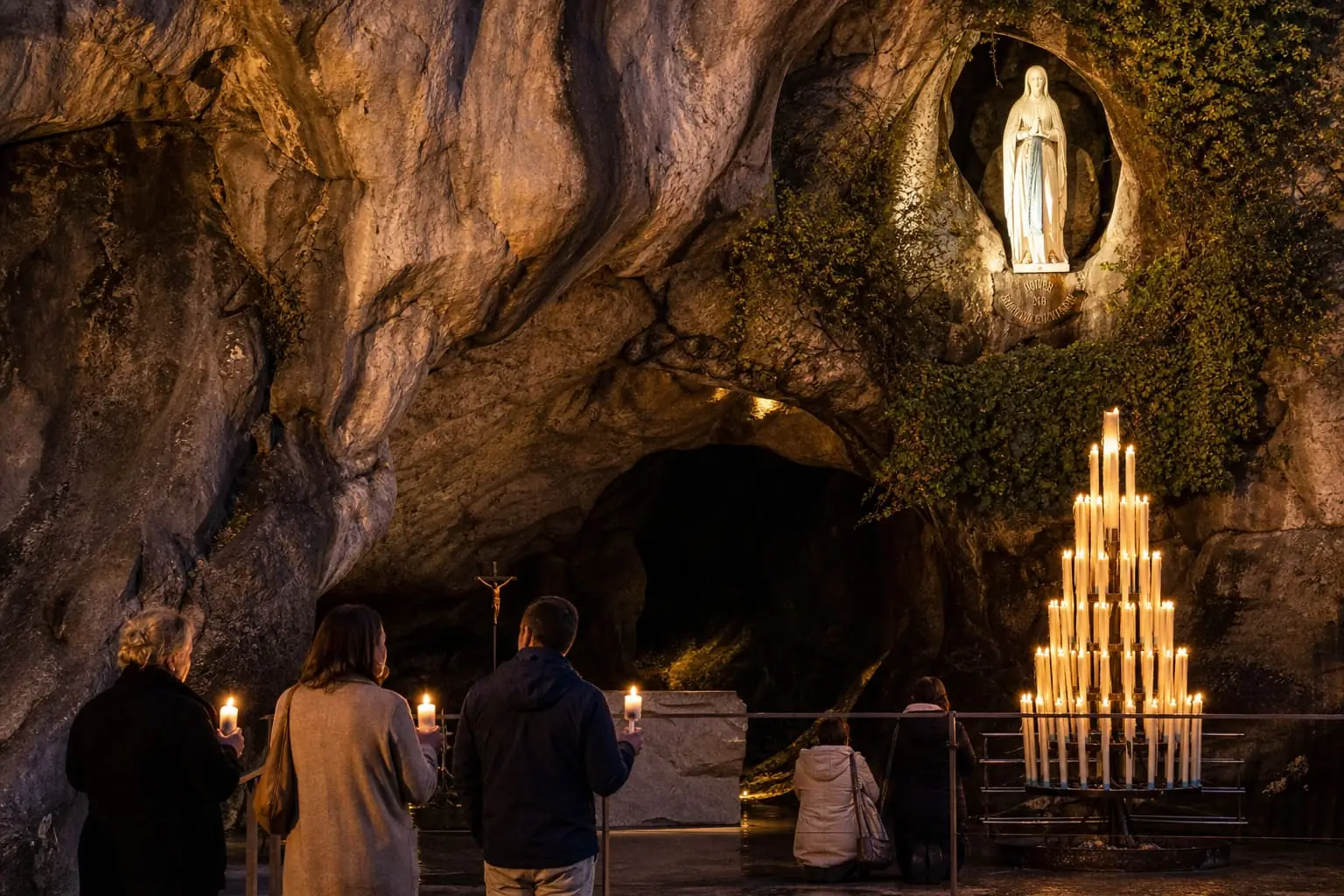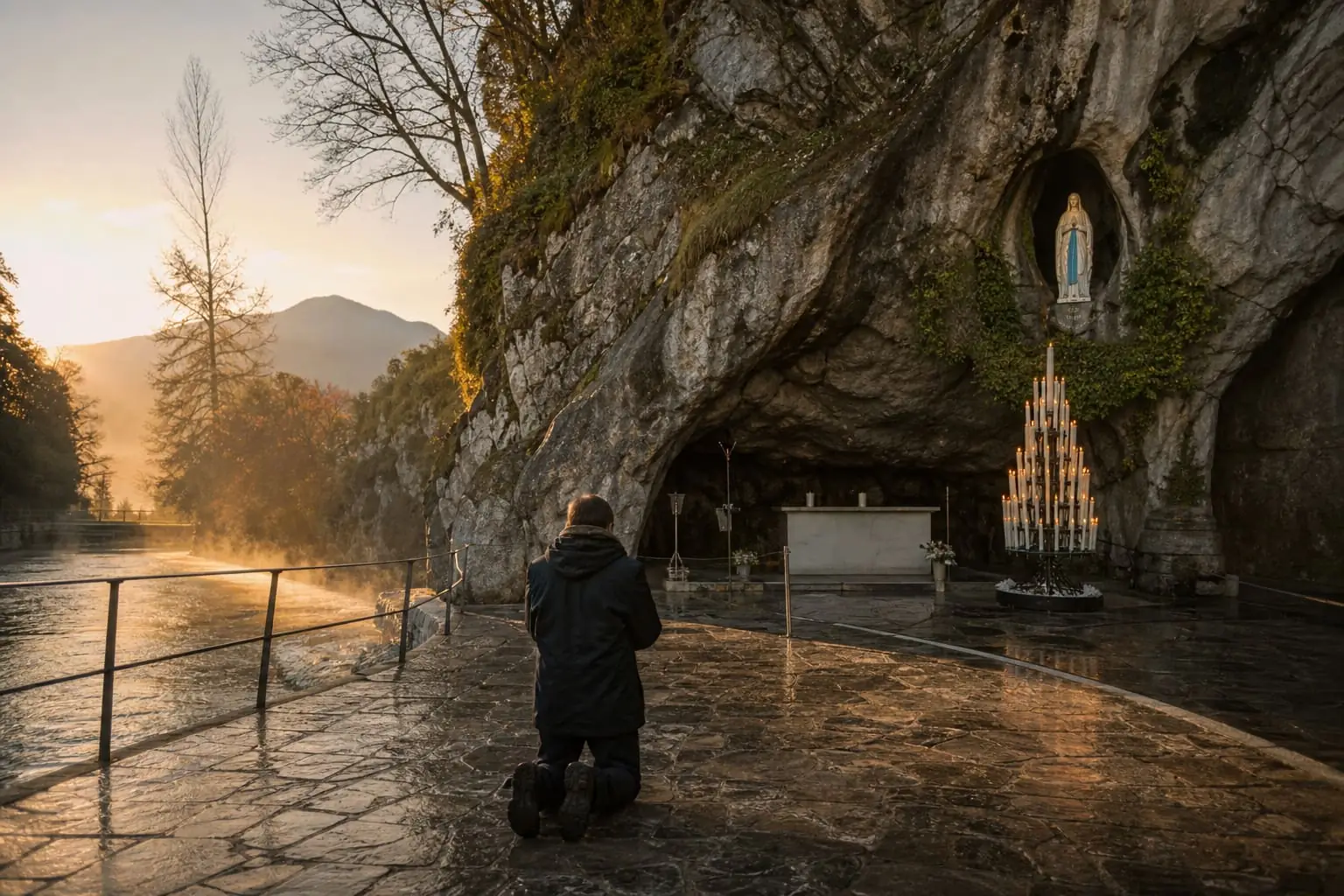
A parish pilgrimage to Lourdes is not the same as a parish holiday. Done well, it is one of the most transformative things a parish community can undertake together: an experience that builds bonds, deepens faith, and often brings people back to the Church who had drifted away. Done poorly, it is an organisational headache with disenchanted participants. This guide draws on the experience of organising dozens of group pilgrimages to help you plan one that achieves the former.
Start Early: The 12-18 Month Timeline
The biggest mistake parish organisers make is starting too late. Lourdes in peak season (July–August) requires hotel blocks to be reserved by October–November the previous year. A realistic planning timeline is: 18 months out, make the decision and appoint a committee; 12–14 months out, select a pilgrimage company or begin independent booking; 10 months out, begin parish promotion and accept registrations; 6 months out, confirm all registrations and begin pastoral preparation; 3 months out, hold a preparation evening; 1 month out, distribute final travel documents. Starting earlier than this is never a mistake.
Building Your Group
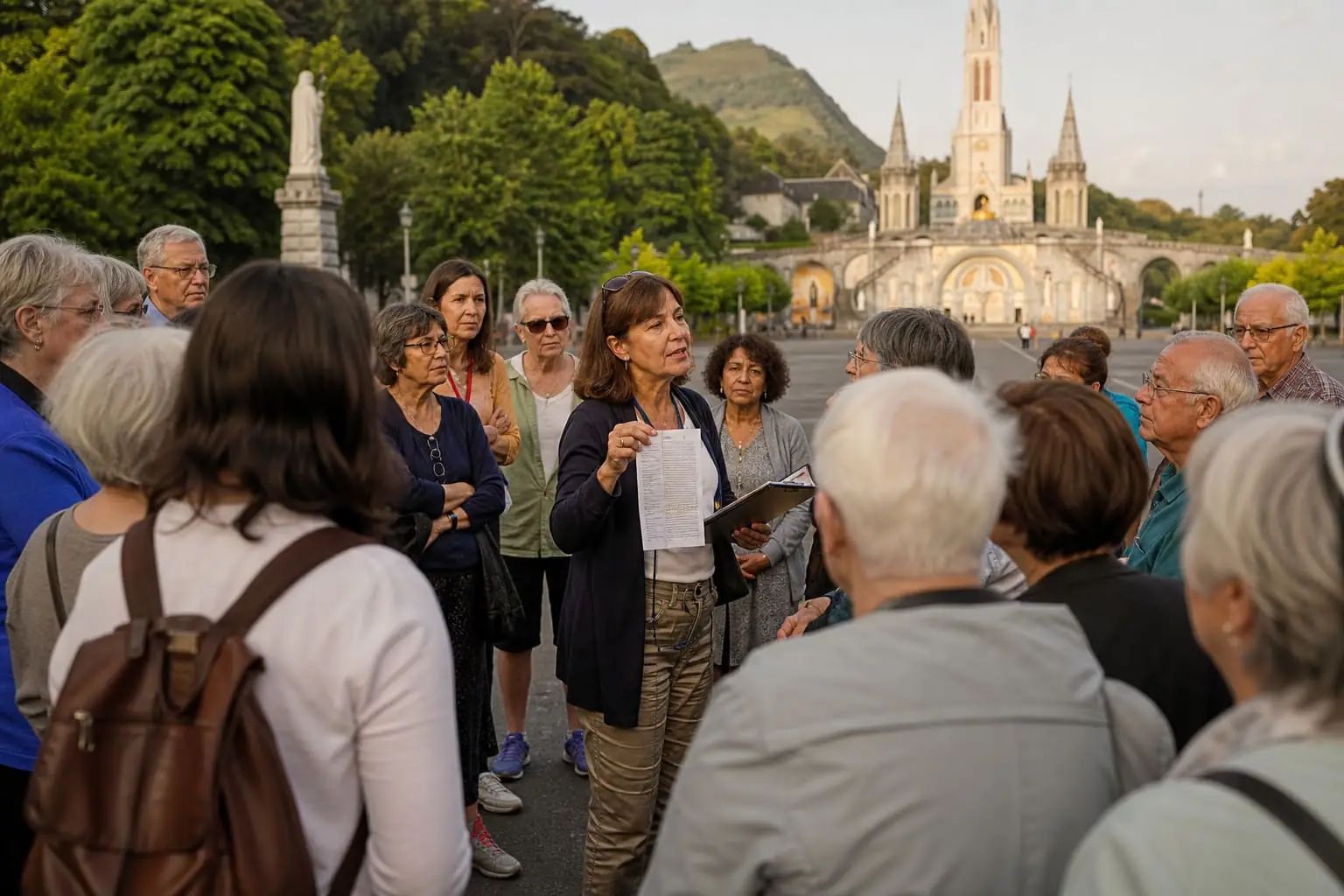
A parish pilgrimage works best with a group of 15–40 people. Fewer than 15 and the community experience is limited; more than 40 requires more complex logistics. Promote the pilgrimage from the pulpit, in the parish newsletter and through personal conversations. Specifically invite parishioners who are elderly, housebound or sick — these are the pilgrims Lourdes is most perfectly suited to serve, and the inclusion of vulnerable pilgrims elevates the entire group's experience. Consider a parish fundraising initiative for those who cannot afford the full cost; many parishes subsidise places for sick or elderly parishioners.
Working with a Pilgrimage Company
For most parishes, partnering with a professional pilgrimage operator is the wisest choice. A good company handles flights, hotels, transfers, Sanctuary bookings (group Mass at the Grotto, Baths priority, Hospitalité coordination) and the daily programme, leaving the parish priest or pilgrimage leader free to focus on the pastoral and spiritual dimensions. Ask any potential company: do they employ permanent staff with years of Lourdes experience? Do they have established relationships with the Sanctuary? Can they provide references from previous parish groups? Our team has worked with dozens of parish groups and can handle every logistics detail.
Pastoral Preparation: The Key to Success
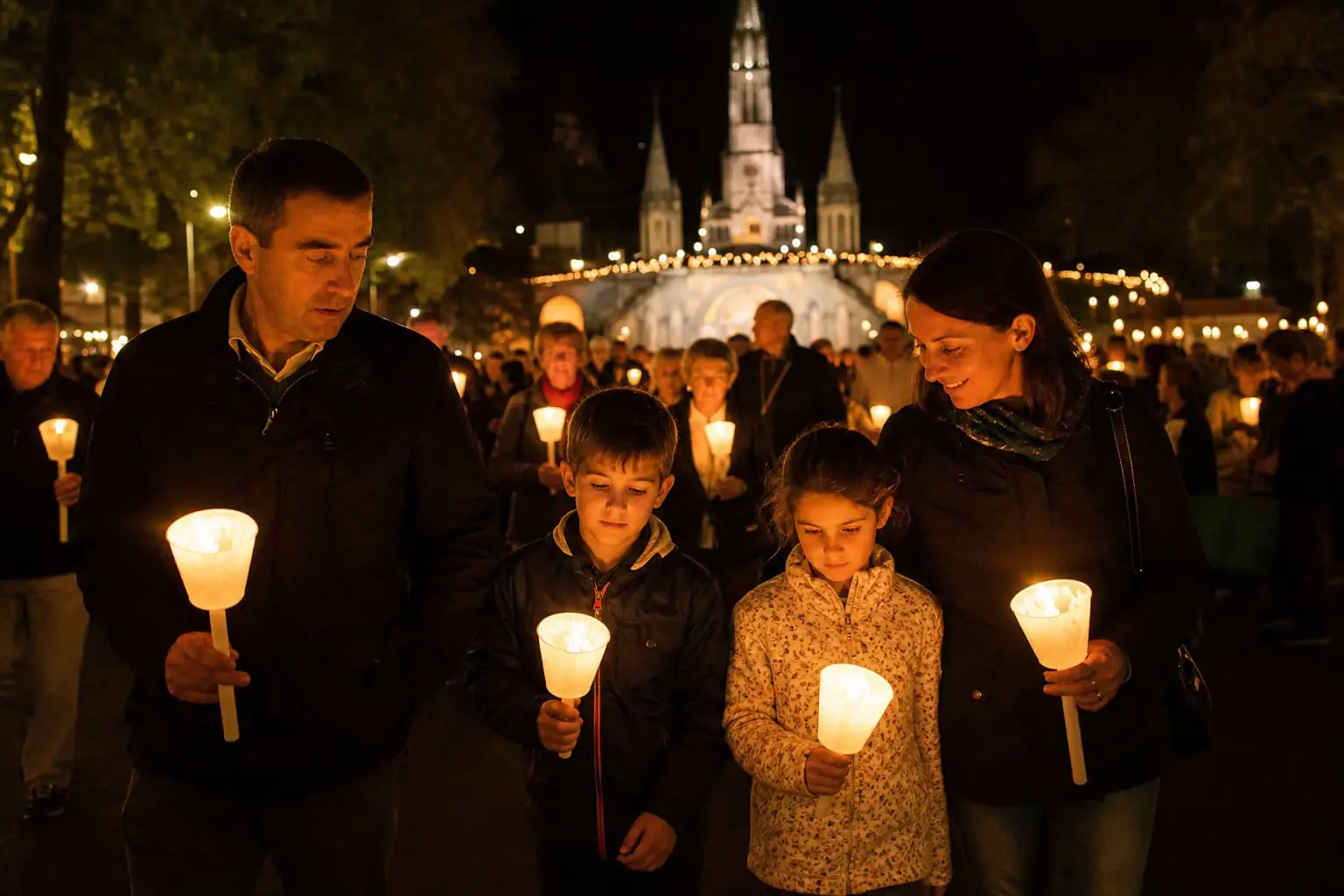
The parishes whose Lourdes pilgrimages are most transformative are those that invest in preparation before departure. Hold a preparation evening 4–6 weeks before travel covering: the history of Lourdes and Bernadette, an explanation of each major ceremony (Grotto Mass, Baths, Blessing of the Sick, Torchlight Procession), an opportunity for participants to share their intentions and hopes, and a short communal prayer. Prepare a simple prayer booklet for the journey. Assign a deacon or catechist to facilitate reflection each evening in Lourdes. The spiritual harvest of a well-prepared pilgrimage is exponentially greater than one approached as a trip.
After the Pilgrimage: Sustaining the Grace
The pilgrimage does not end when the plane lands. Hold a shared reflection evening within two weeks of returning, when the experience is still fresh. Ask pilgrims to share one moment or insight. Consider creating a small permanent memorial in the parish church, a framed photograph from the Grotto, a bottle of Lourdes water for use at baptisms. Many parishes find that a Lourdes pilgrimage creates a lasting core of deepened faith in the community, pilgrims who become more active in parish life, who start attending weekday Mass, who begin volunteering. The long-term fruits are often the most remarkable.
Ready to plan your Lourdes pilgrimage?
Our team will build a personalised itinerary and send you a free quote within 1 hour.
Request Free Quote