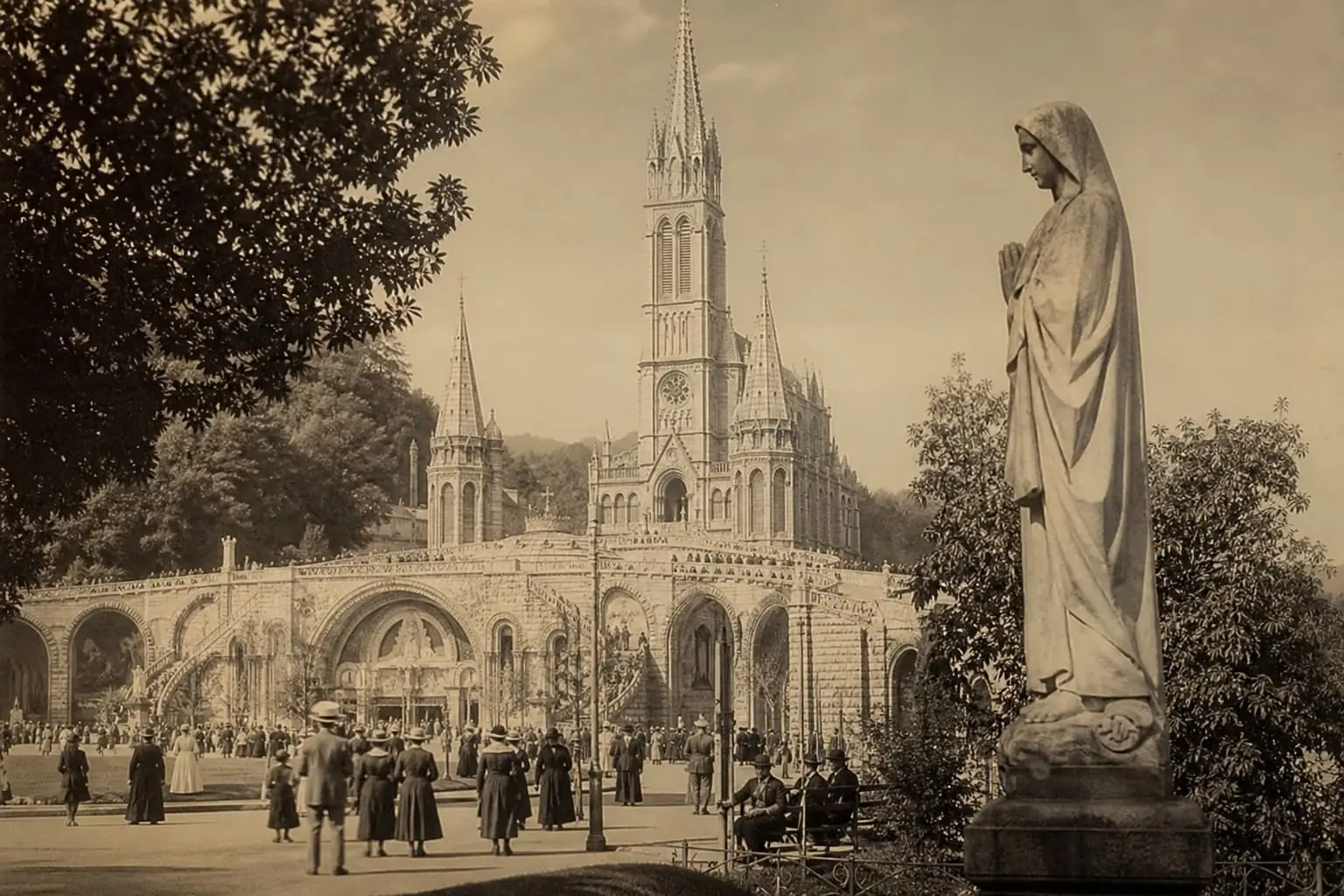
There is a phrase used at Lourdes that takes visitors by surprise the first time they hear it: "The sick are not a problem here. They are the reason." This is not a platitude. Since the earliest pilgrimages in the 1870s, when the sick were transported to Lourdes in special hospitalité trains, the entire infrastructure of the Sanctuary has been organised around the principle that those who suffer hold the place of greatest honour. If you are seriously ill, or travelling with someone who is, Lourdes is not a destination you are managing logistics for. It is a destination built for you.
The Role of the Hospitalité
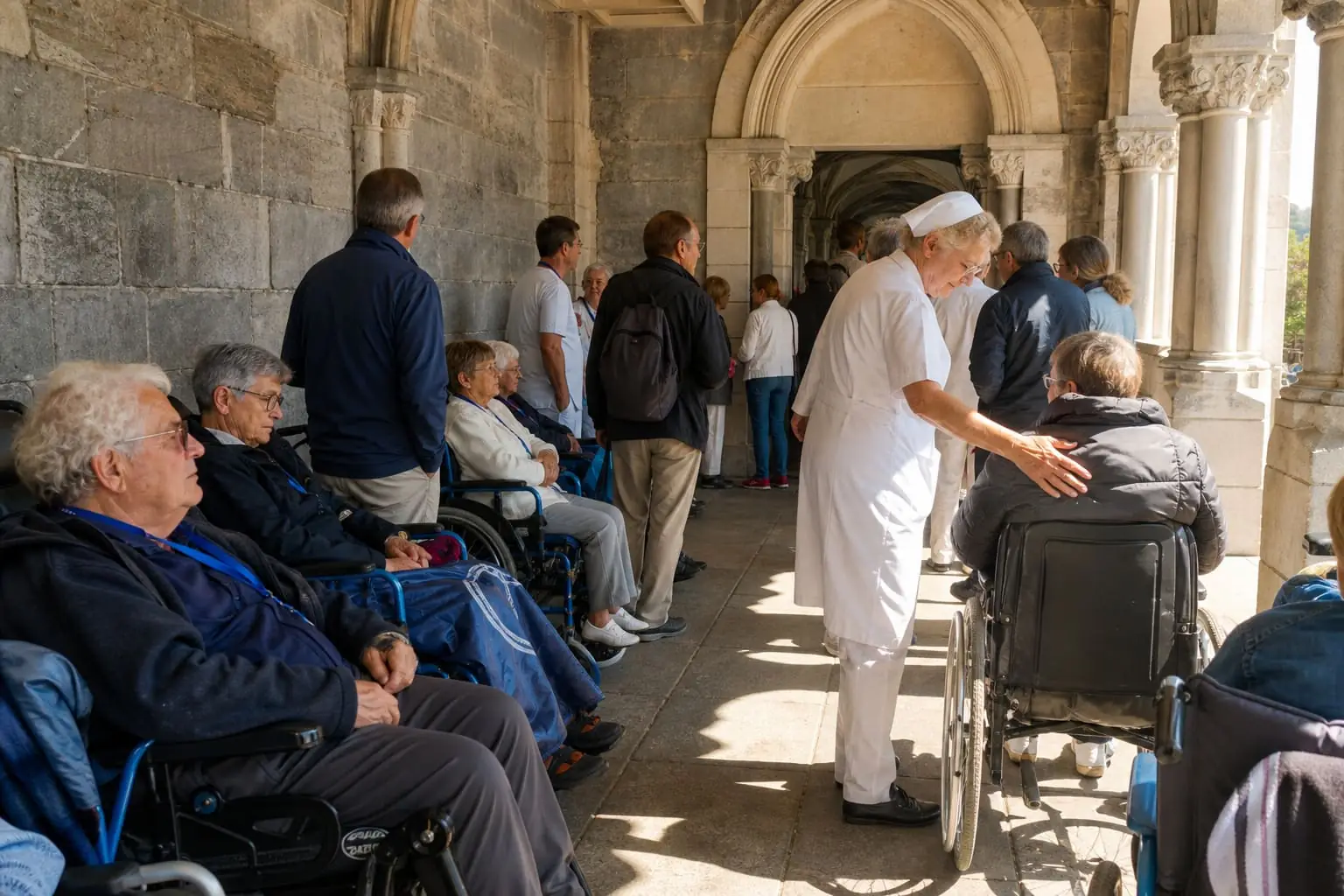
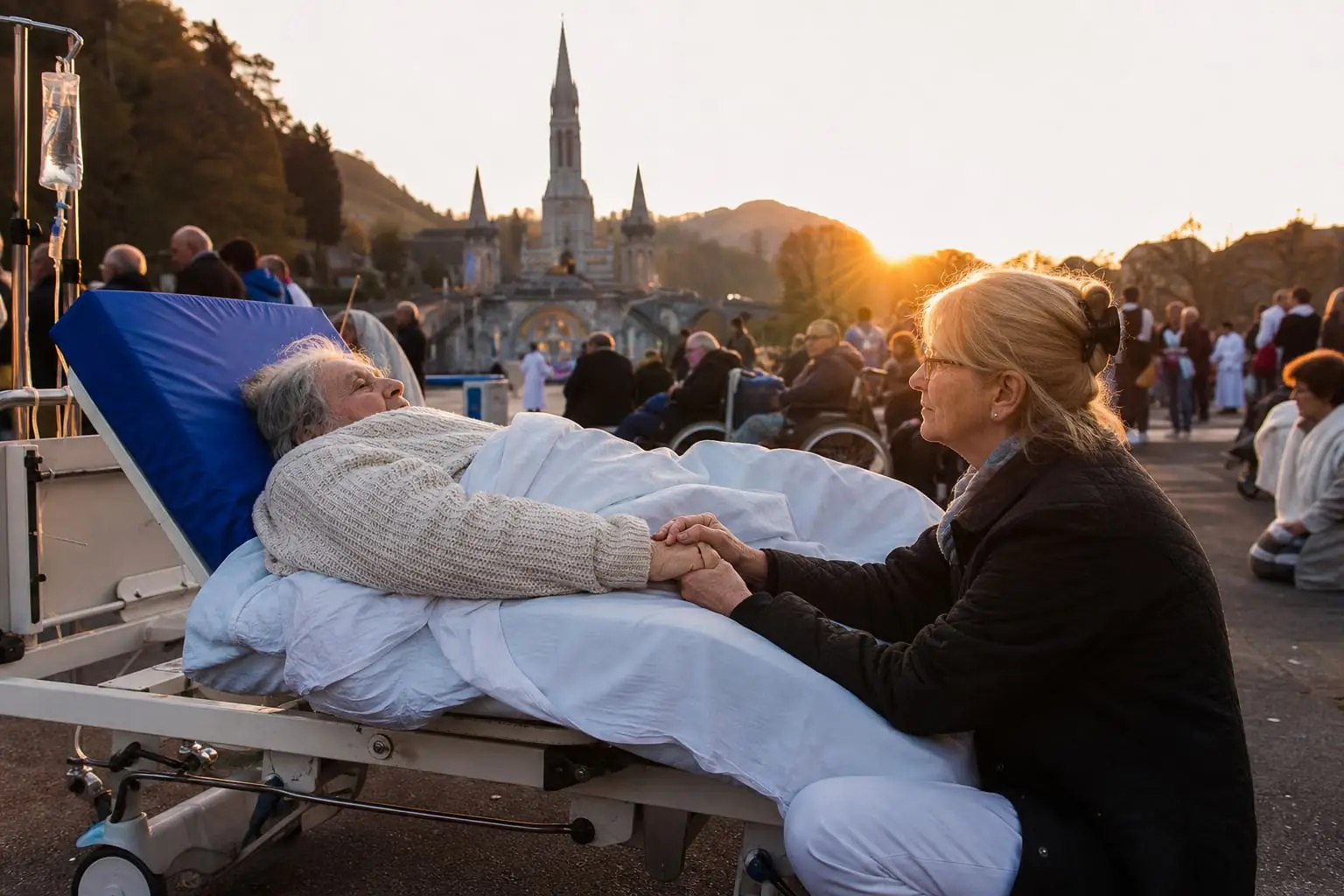
The Hospitalité Notre-Dame de Lourdes is a volunteer organisation of over 5,000 trained individuals, present at the Sanctuary throughout the pilgrimage season. Hospitalité brancardiers and handmaids are trained in basic nursing care, manual handling, voiturette management, personal hygiene assistance and emotional support. Their service is free of charge and available to any pilgrim with illness or disability who requests it. For seriously ill pilgrims attending on an organised package, the Hospitalité team works in coordination with the pilgrimage's medical staff to ensure continuous support throughout each day. The experience of being cared for by a Hospitalité volunteer — a stranger who has given their annual holiday to serve you — is one of the most humanly moving dimensions of Lourdes.
Voiturettes and Assisted Participation
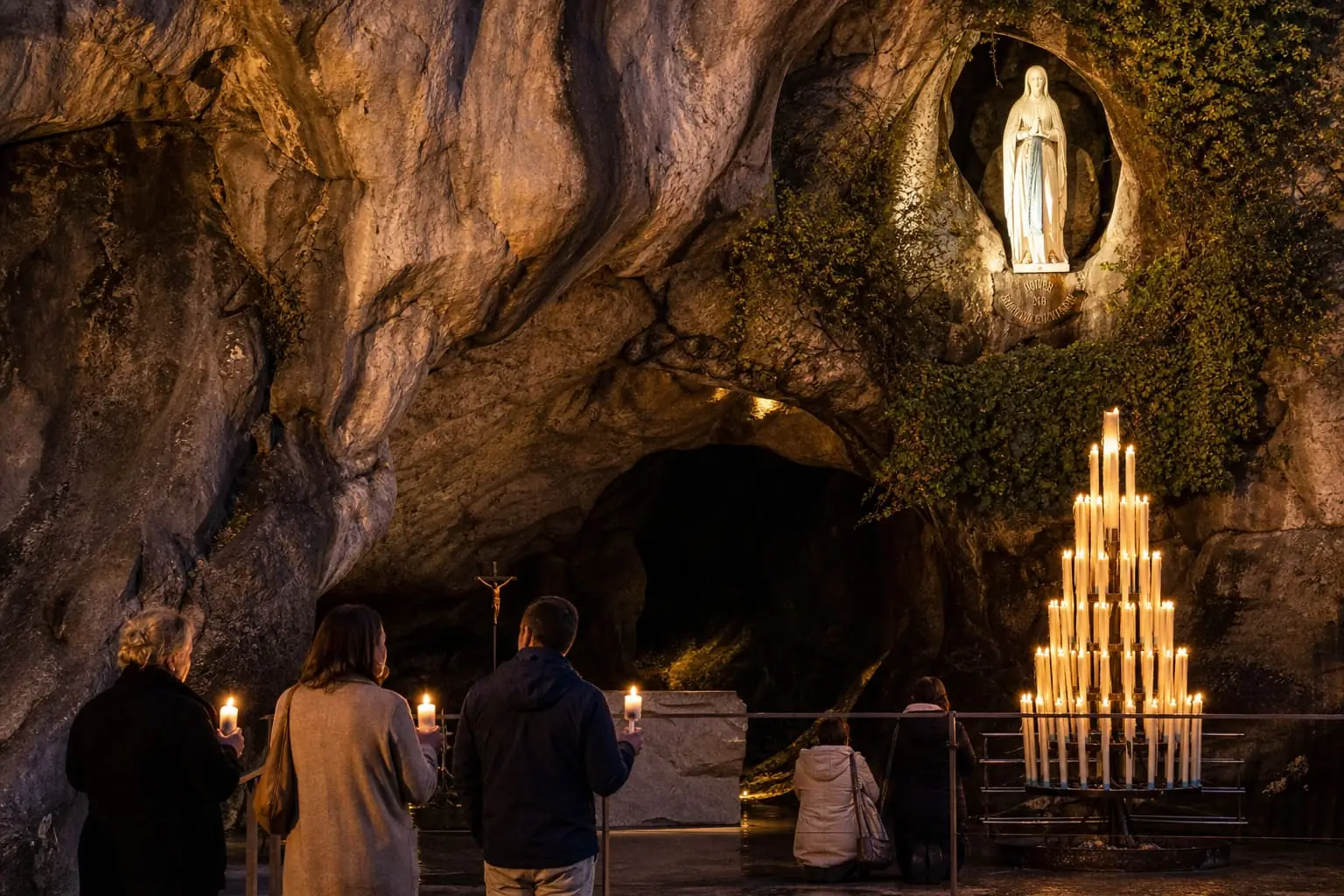
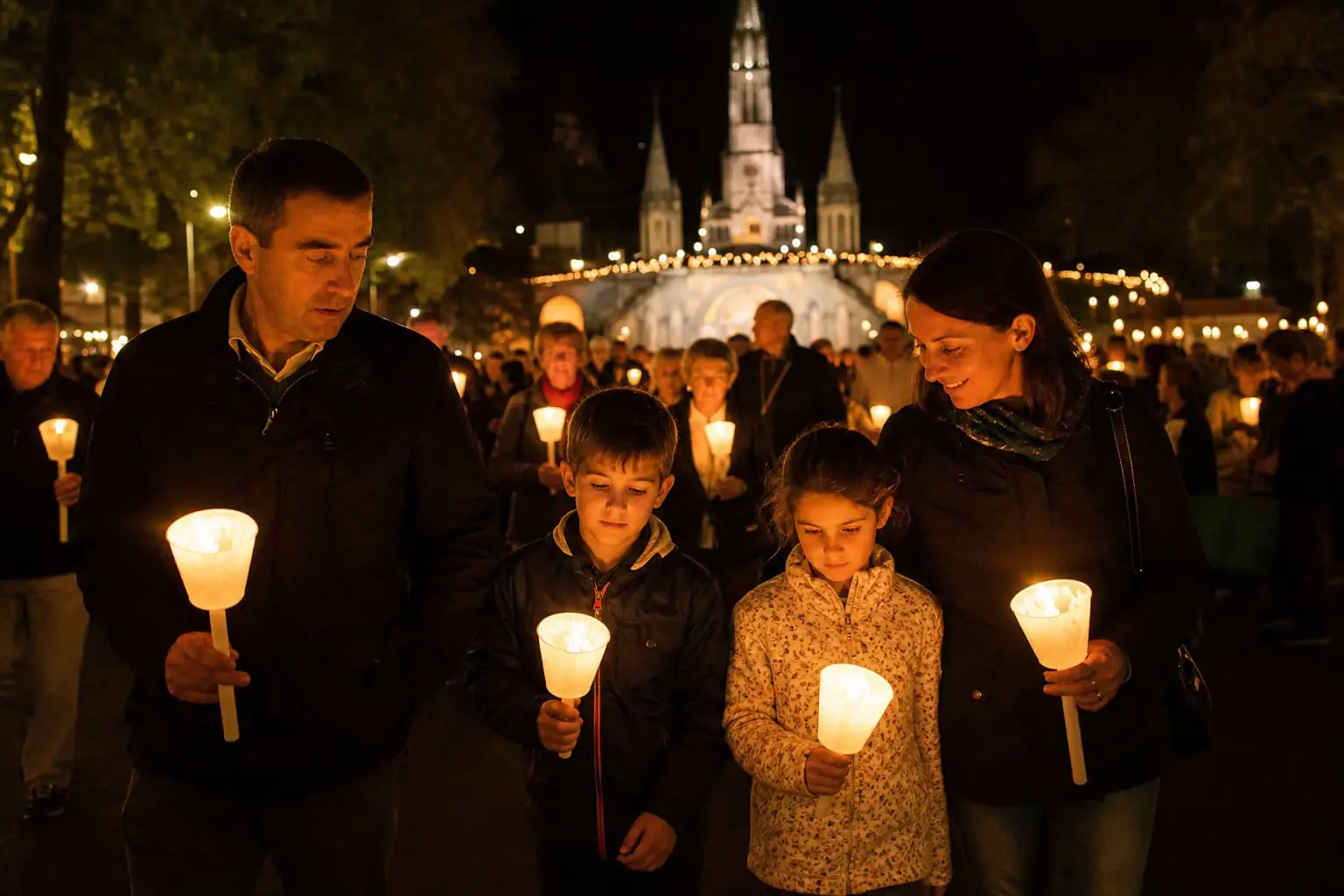
Voiturettes are the low-slung wheelchair carriages unique to Lourdes, pushed by brancardiers through all Sanctuary ceremonies. They allow pilgrims who are too ill to walk, or who can walk only short distances, to participate in the full programme: the Grotto Mass, the Torchlight Procession, the Blessing of the Sick on the Esplanade, the Way of the Cross on the accessible flat route. For a pilgrim who has been unable to attend a religious ceremony for months or years due to illness, being pushed in a voiturette through the candlelit Torchlight Procession, alongside thousands of fellow pilgrims, is often described as the most powerful experience of the entire pilgrimage.
The Bains des Malades
While the public Baths at Lourdes are open to all pilgrims, organised pilgrimages that include seriously ill pilgrims typically have access to a dedicated session called the Bains des malades, a reserved time at the Baths with priority access, maximum Hospitalité support and unhurried care for pilgrims with complex medical needs. Pilgrims with cancer, neurological conditions, paralysis, and other serious diagnoses are immersed in the Lourdes spring water with the same care and reverence as any other pilgrim, with adjustments made for their specific physical situation. For many seriously ill pilgrims, the Baths represent the most intimate and personal encounter with the hope that brought them to Lourdes.
Travelling with Medical Equipment
Serious illness often comes with equipment: wheelchairs, oxygen concentrators, CPAP machines, feeding pumps, catheter supplies, insulin refrigeration needs. All of these can be managed with advance planning. Airlines must be notified of medical equipment requirements at least 48–72 hours before travel (some require a medical certificate). Hotels in Lourdes can provide refrigeration for medication, accessible bathrooms and ground-floor rooms on request. Our team coordinates all medical logistics as part of our pilgrimage packages for sick pilgrims — contact us with your specific requirements and we will ensure every detail is managed before your arrival.
The Lourdes Medical Bureau
The Lourdes Medical Bureau (Bureau Médical de Lourdes) exists to investigate claimed healings. Any doctor may bring a case to the Bureau for review; any pilgrim who believes they have experienced a healing is encouraged to report to the Bureau within the Sanctuary during their visit. The Bureau is not a faith-healing clinic; it is a rigorous medical institution. But its presence is also a statement of the Sanctuary's seriousness about the physical dimension of pilgrimage. The Bureau has documented over 7,000 unexplained cures and formally recognised 70 as miraculous. For sick pilgrims, simply knowing this history exists is often a source of profound hope.
What Carers Experience at Lourdes
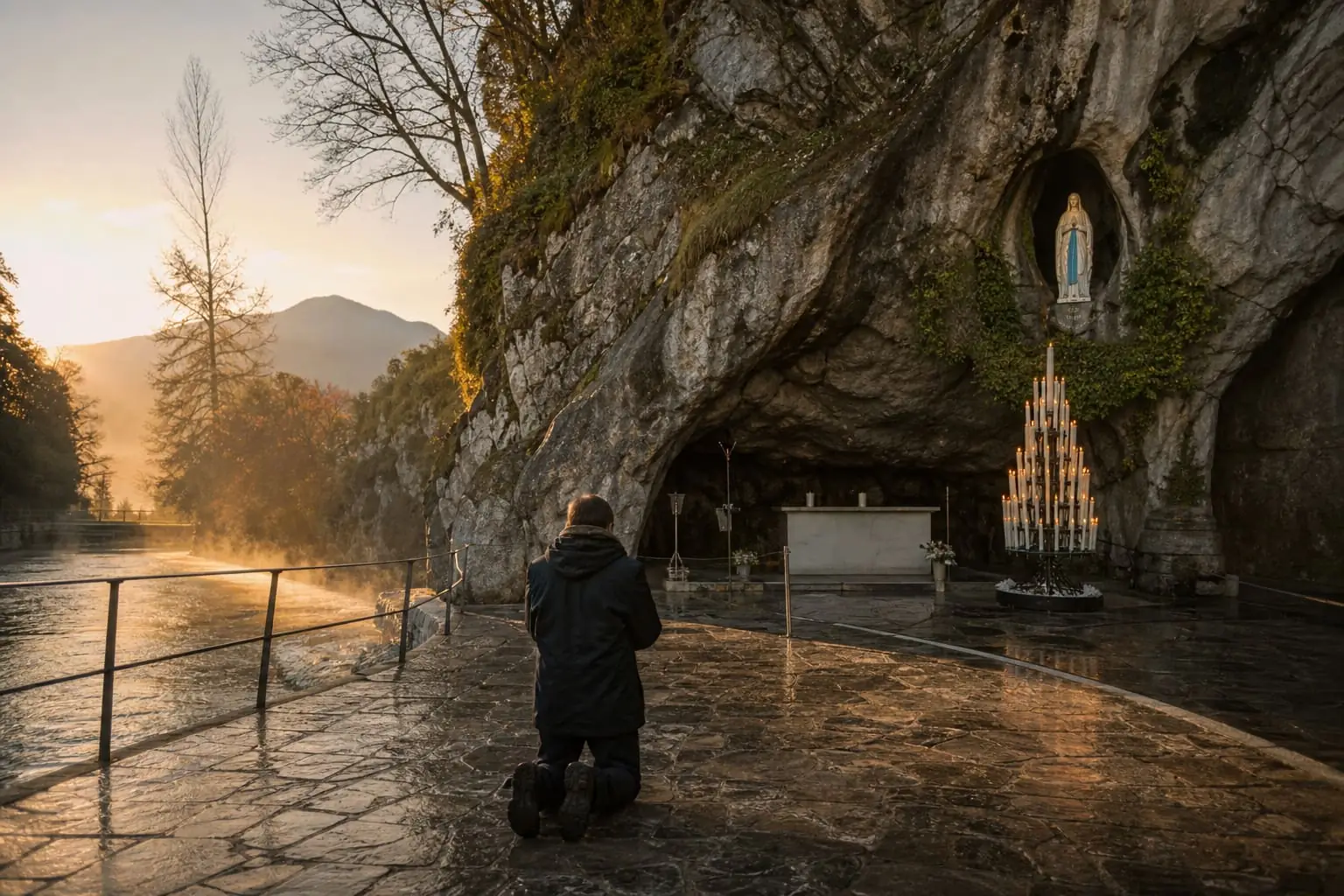
Carers who accompany sick pilgrims to Lourdes often report one of the most unexpected experiences of the entire journey: being given permission to stop, for a few hours, being the carer. With the Hospitalité team present, with a structured programme in place, carers can attend Mass, sit at the Grotto, pray the rosary, and simply be a pilgrim themselves. This is something that many carers, particularly those caring full-time for a seriously ill spouse or parent, have not experienced in months or years. The Lourdes experience for a carer is often the most restorative component of all — not the ceremonies, but the simple restoration of personal space within a community of shared purpose.
Ready to plan your Lourdes pilgrimage?
Our team will build a personalised itinerary and send you a free quote within 1 hour.
Request Free Quote