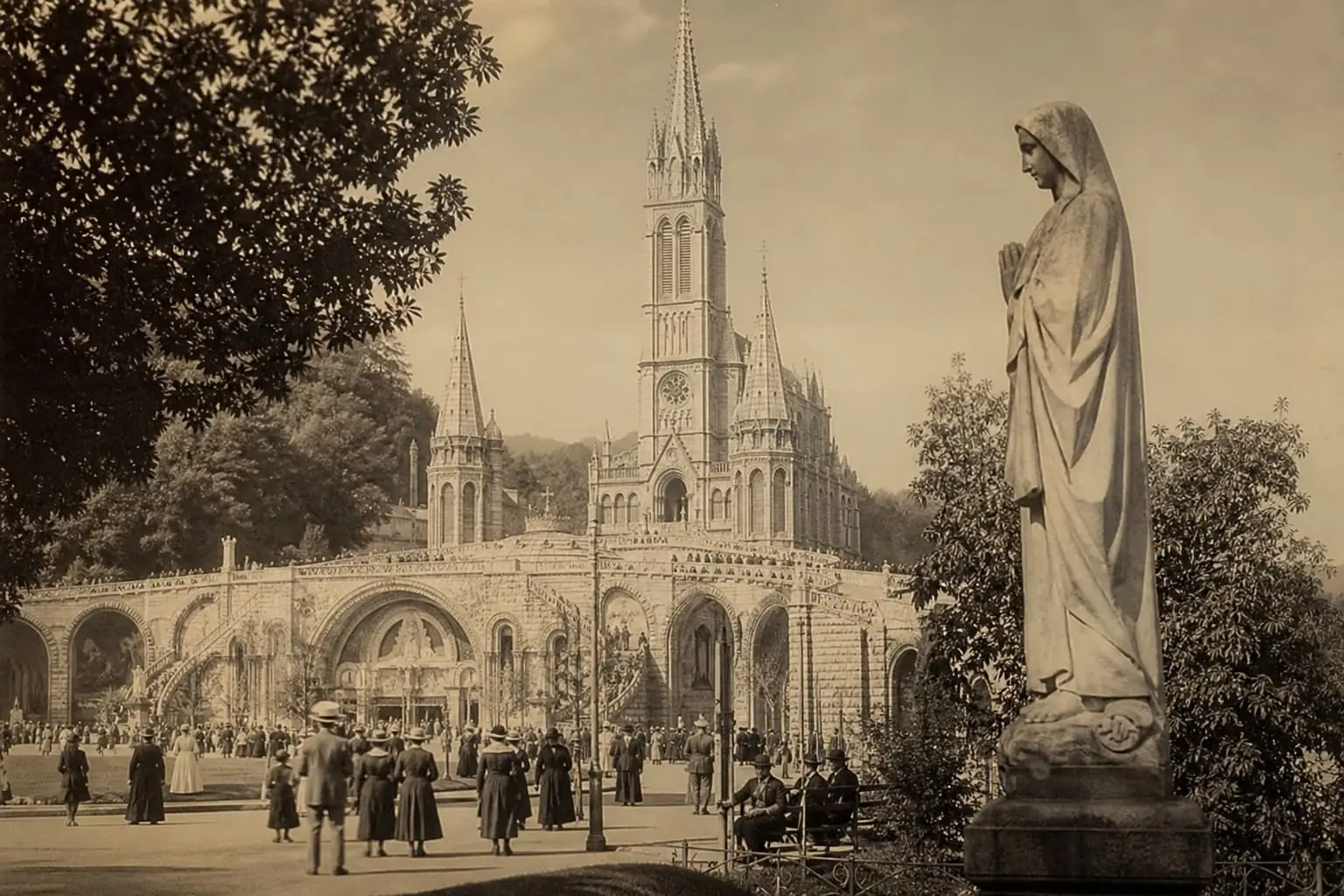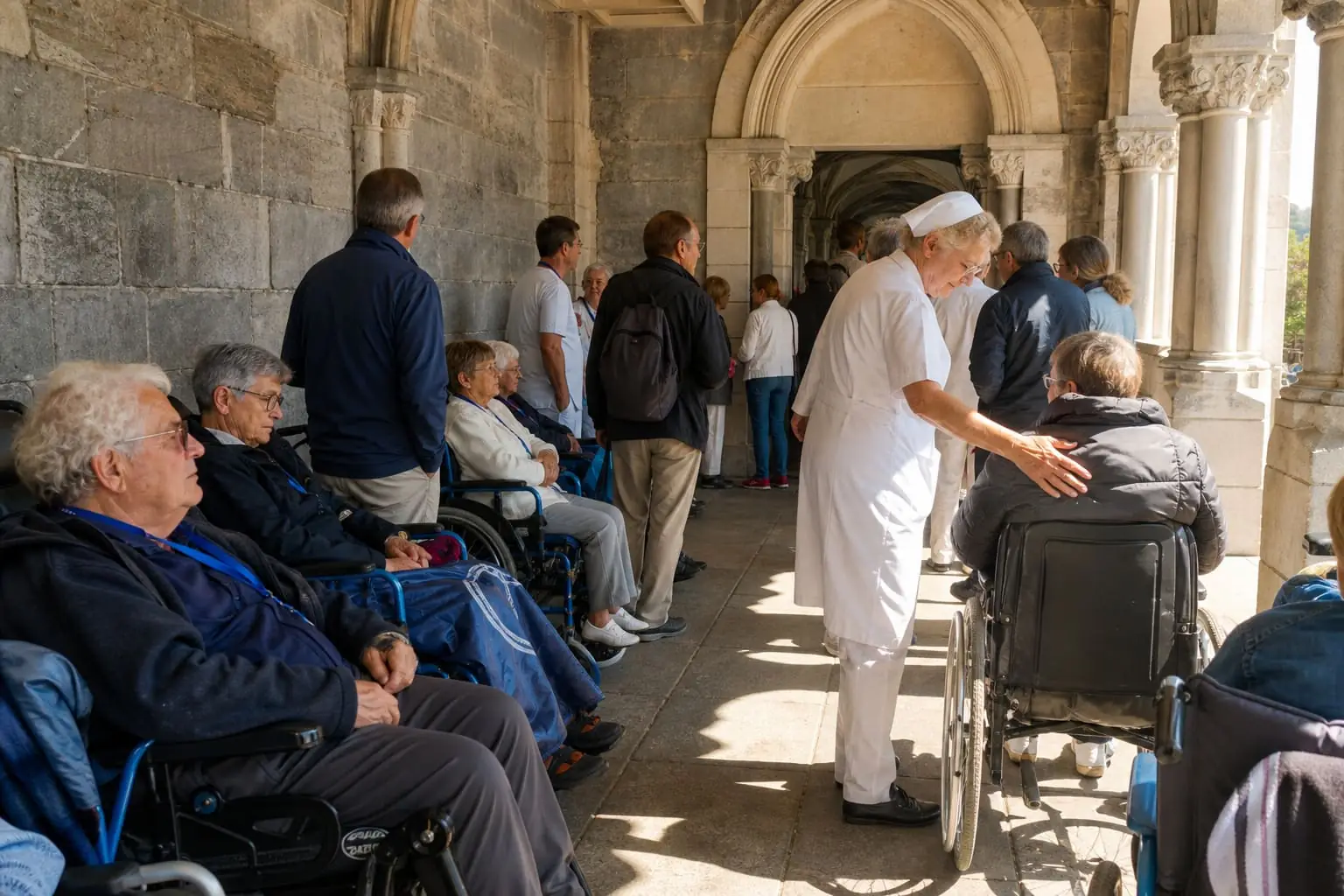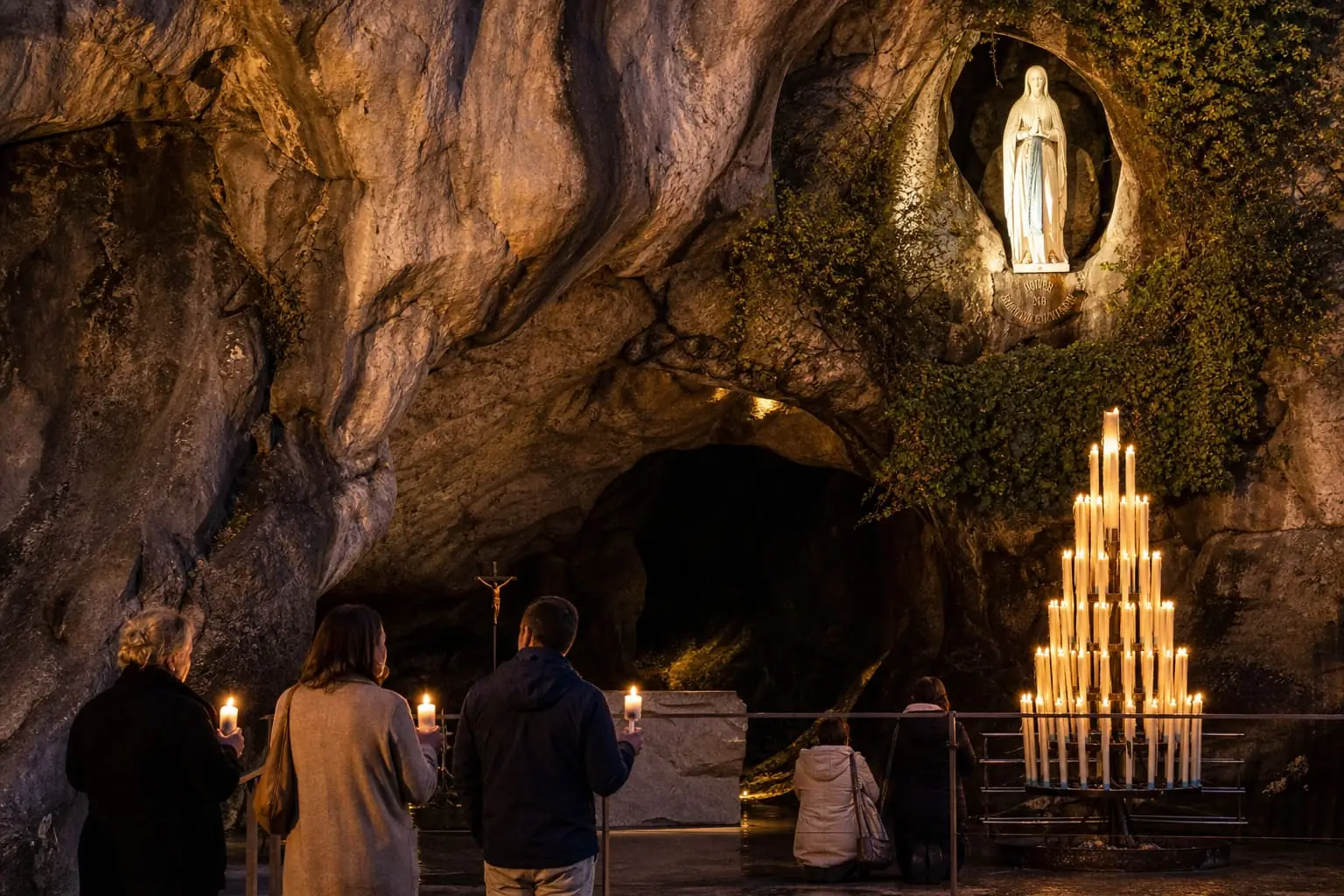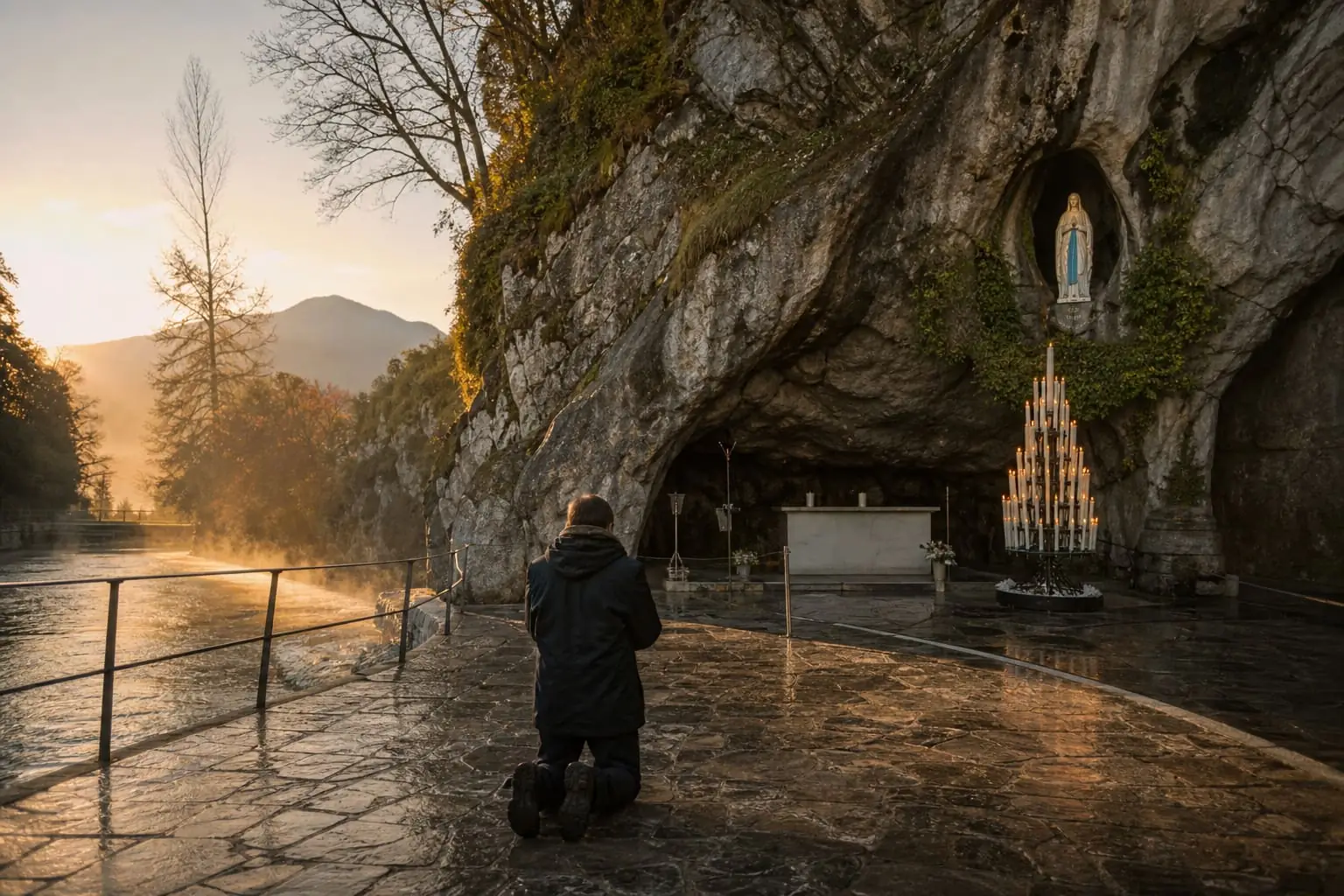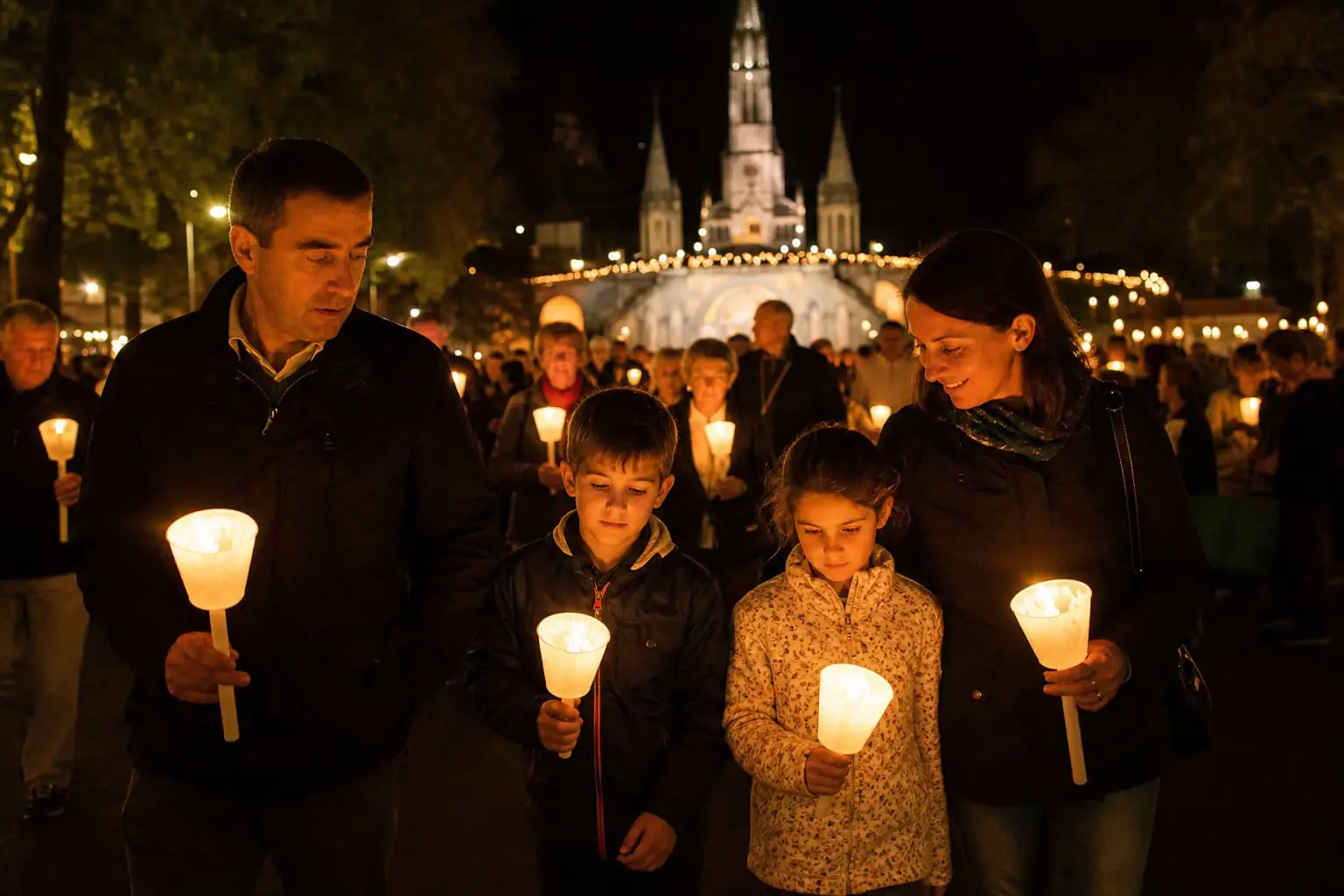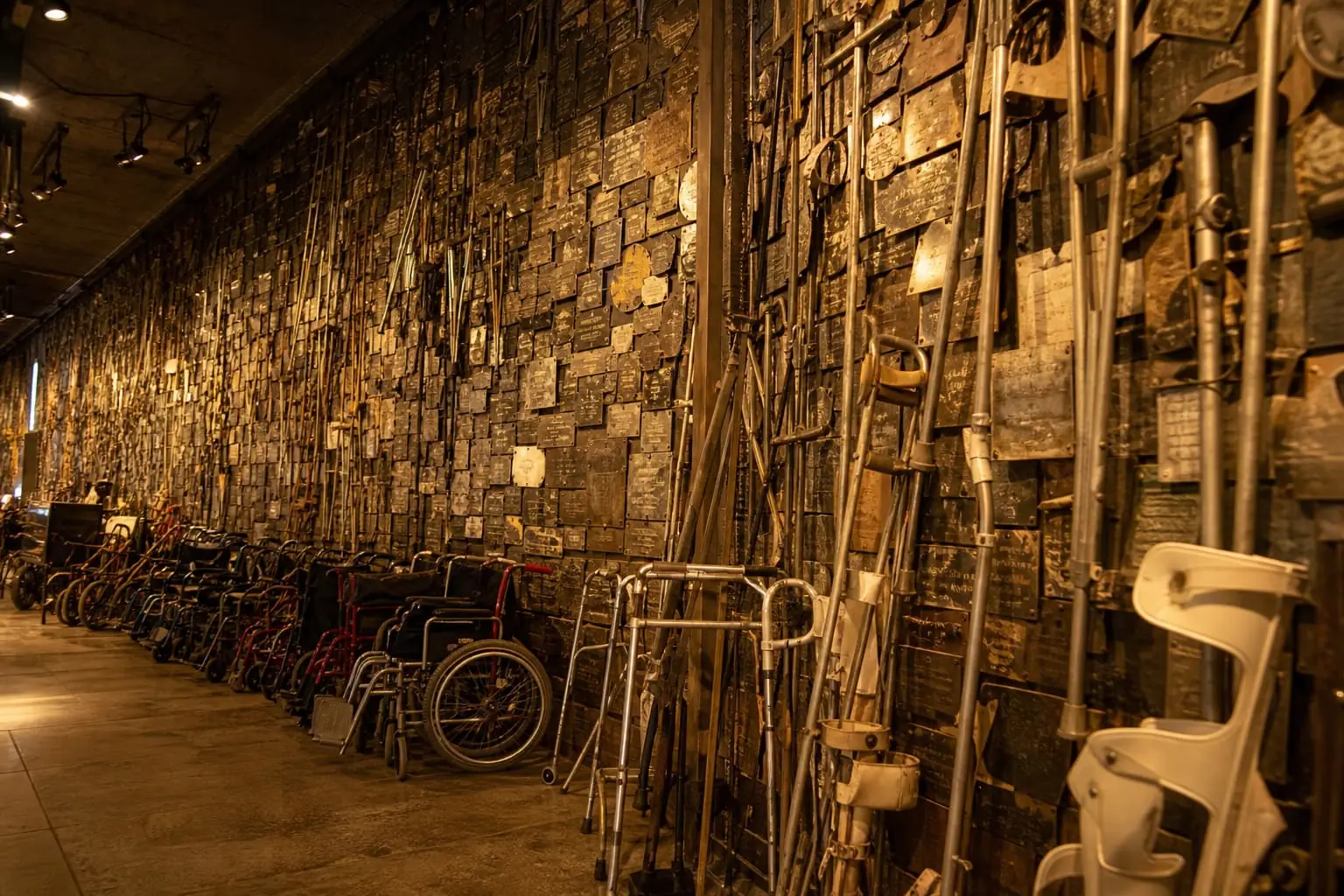
Of all the aspects of Lourdes that draw pilgrims and attract curiosity from beyond the faith, healing is the most discussed and the most frequently misunderstood. Lourdes has seventy officially recognised miraculous cures — a smaller number than most people expect, given that millions have visited. But the story of healing at Lourdes is far richer than the official count suggests, encompassing thousands of documented "unexplained cures" that did not proceed to full investigation, and an incalculable number of interior healings that leave no record in medical files. Understanding the whole picture requires understanding how the Lourdes Medical Bureau works — and what it was never designed to measure.
The Lourdes Medical Bureau: Origins and Purpose
The Bureau Médical de Lourdes was founded in 1883 by a young physician named Pierre-Gustave Boissarie, who had initially visited Lourdes as a sceptic. Boissarie's founding principle was that claims of miraculous healing at Lourdes deserved the most rigorous scientific examination available, with no concessions to piety. From its earliest days, the Bureau operated on the principle that any physician of any background or belief could attend a case review. Today the Bureau remains an independent medical institution: secular in its methods, international in its membership, and open to all qualified doctors who wish to attend a case assessment. Its findings carry weight precisely because its process is scrupulous.
What Constitutes a "Verified Miracle"
For a healing to be investigated by the Medical Bureau, several conditions must be met: the illness must have been definitively diagnosed by conventional medicine; conventional treatment must have failed or been impossible; the healing must be sudden, complete, and durable (sustained over a significant period of years); and there must be no plausible medical explanation. Cases that meet these criteria are referred to the International Medical Committee of Lourdes (CMIL), a body of 25 specialists from various countries and disciplines, which determines whether the healing is "inexplicable in the current state of medical knowledge." If the CMIL concurs, the case is submitted to the diocese of the healed person for canonical investigation. Only after episcopal declaration is a healing officially recognised as miraculous.
The Seventy Recognised Miracles
Since 1858, the Catholic Church has officially recognised seventy miraculous cures at Lourdes. They span a remarkable range of conditions: tuberculosis of the bone, of the joints, and of the lungs; cancer at various sites; blindness; paralysis; Addison's disease; multiple sclerosis; peritonitis; and conditions affecting internal organs. Cases come from many countries and many decades. The process typically takes between ten and forty years from the original healing to episcopal declaration, reflecting the Church's insistence that claimed miracles be assessed over time as well as in the immediate aftermath of the reported healing.
Famous Verified Cases
Among the earliest and most celebrated cases is that of Catherine Latapie in 1858, whose paralysed arm was restored after immersing it in the spring within weeks of the apparitions. Marie Bailly in 1902, suffering from advanced tubercular peritonitis and given hours to live, made a complete recovery in the presence of the young doctor Alexis Carrel — who later won the Nobel Prize and spent the rest of his life trying to understand what he had witnessed. Vittorio Micheli in 1963 was diagnosed with advanced sarcoma of the hip that had destroyed the socket; X-rays taken months after his Lourdes visit showed the bone had regenerated — a case the CMIL declared inexplicable in 1976. Sister Bernadette Moriau in 2008, suffering from cauda equina syndrome and its severe neurological consequences, experienced a sudden and complete healing at Lourdes, officially recognised by the Bishop of Beauvais in 2013.
Beyond the Seventy: The Wider Picture of Healing
The seventy officially recognised miracles represent only a small fraction of what the Medical Bureau has documented. Over 7,000 "unexplained cures" — cases in which no medical explanation could be found but which did not proceed to full canonical investigation, often because the healed person or their diocese did not pursue the process — are recorded in the Bureau's archives. Many more cases were never reported to the Bureau at all. And beyond the physical, there is an entire category of healing that the Medical Bureau was never designed to assess: the interior healing of grief, depression, addiction, estrangement from God, and broken relationships that pilgrims consistently report in the aftermath of a Lourdes pilgrimage.
What the Healings Mean Theologically
The healings at Lourdes are central not because they prove the existence of God — no medical committee can do that — but because they embody the Gospel's recurring pattern: the suffering encounter Jesus (or here, his Mother's intercession), and something changes that medicine cannot fully account for. Lourdes does not promise physical healing. Its medical history demonstrates that such healing sometimes occurs, by processes that exceed current scientific explanation. But experienced pilgrimage leaders are careful to frame healing at Lourdes correctly: most pilgrims who come sick do not return healed in a physical sense. All pilgrims who come open have the possibility of being healed in a deeper sense, of the fear, isolation and hopelessness that illness so often brings. This interior healing is, by the testimony of thousands, the most consistent miracle at Lourdes.
Ready to plan your Lourdes pilgrimage?
Our team will build a personalised itinerary and send you a free quote within 1 hour.
Request Free Quote